Thanks for visiting. This site is currently getting redesigned and things are a little messy. If you are looking for something and can’t find it, please email Jason at jason@knowingtrees.com . He’ll do his best to be helpful!
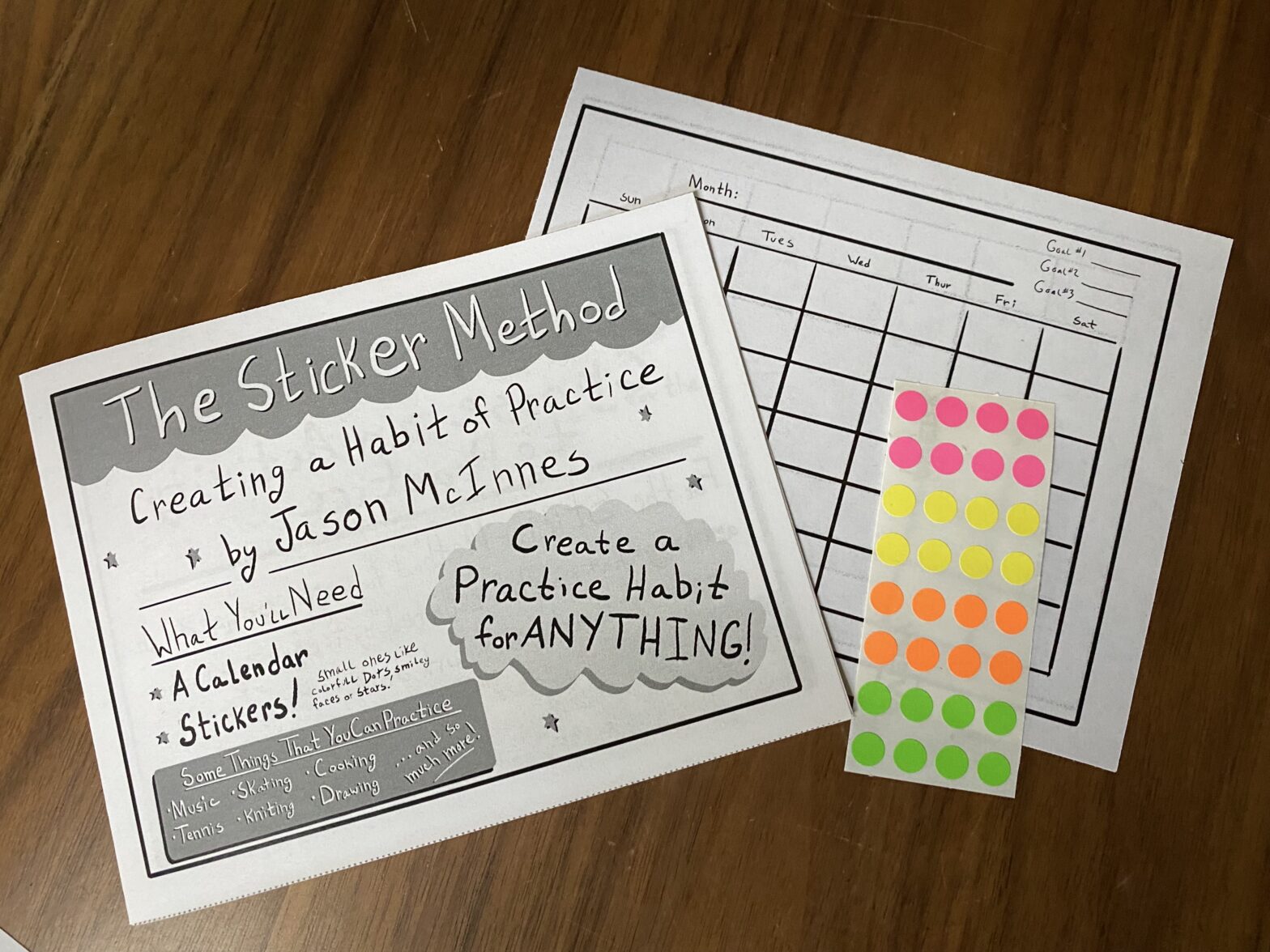
This fall I published my latest zine, The Sticker Method: Creating a Habit of Practice (available in the store). This is a method for taking a lot of the stress that can come with being a learner/do-er out of our lives. I’ve developed the method over my lifetime as both a teacher and a student
I am a user of The Sticker Method and one of my favorite aspects of it is that the method can be used for anything. If you’ve heard my music, seen my drawings, watched my skateboard videos, or if we’ve talked about developing a habit of going to the gym, then you’ve seen The Sticker Method in action.
I’ve been playing guitar for a long time. And, I teach a lot of guitar players that haven’t played for very long (comparatively).
Learning to play is a lot of work, and for the most part it’s very solitary work, so “the public” only sees the “finished” product.
As a teacher, I can tell that it is difficult for students (especially adult students) to believe that I have had, and continue to have, all those same challenges that they have. I’m not special, I’ve just been doing it for a long time. The work isn’t any easier, I just know how to do the work.
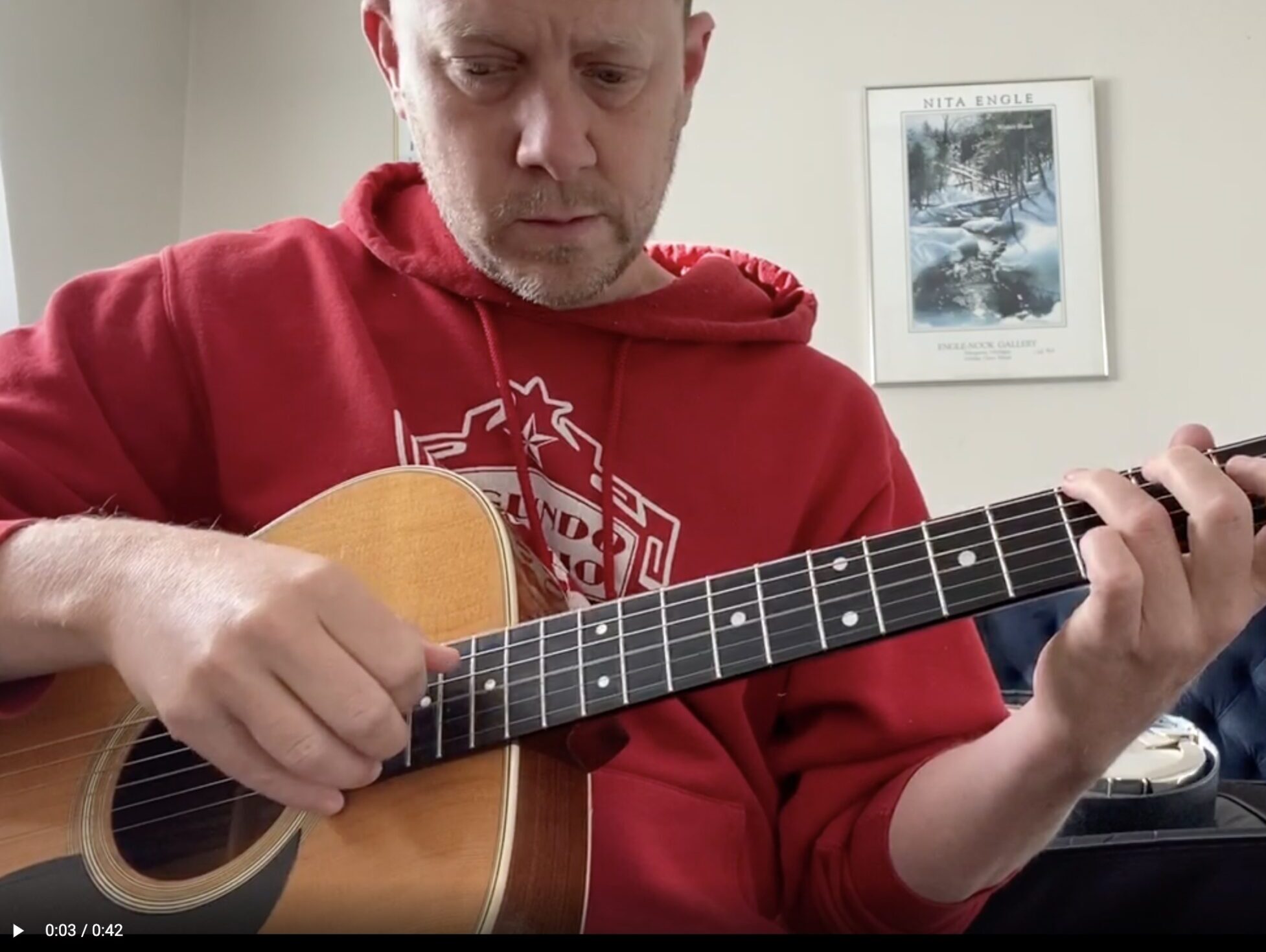
Here is a short excerpt of a tune I recently wrote. It has a part right in the middle where my fingers need to make a move that they are not familiar with. Now it’s time for me to take my own advice! Slow down. Play with intention. Don’t let your habit take over because your habit doesn’t know it.
I can’t tell you how many times I’ve played this very short section over the past couple days. Finally, it’s starting to come together.
It’s taken a lot of work. The work is the thing to do.
I was inspired to write this tune after a recent conversation with my friend Amanda Healen in which we were talking about my mending from some physical health challenges and about her time tending to her garden.
I wrote it on my tenor banjo.
Give it a listen below. And, you can download the standard notation of the tune, here.
We can’t have camp this year because of the pandemic. So, Coach Denisse Franco and I wrote a little song to share with the campers. Today, in Segundo Barrio, El Paso TX, some of the coaches will be distributing care packages with books, sports equipment and a zine with this song. It’s called Amigos de Basketball en el Barrio.
Since 2016 I’ve been the music director at the best summer camp. It’s called Basketball in the Barrio and it is the most amazing sports, literacy, health and fitness, music, poetry, social justice, visual art camp you’ll ever experience.
I wrote the tune and made the zine. Coach Denisse wrote the lyrics. I think you’ll agree that they are very fitting for this challenging time in our society.
Here are the lyrics. Download a zine to help you learn the song here. A recording of me singing and playing the song is after the lyrics.
Pronto jugaremos, sí. Yo te cuido y tú a mí. – Coach Denisse
En Español
Escribiendo, saltando, comiendo, Y canciones componiendo, Disfruto lo que aprendí, Todo lo que compartí. Aunque no esté en Armijo, Aún tengo a mis amigos, Basketball en el Barrio, Basketball en el Barrio. Hasta volvernos a ver, Cuídate y que estés bien, Pronto jugaremos, sí, Yo te cuido y tú a mí. Aunque no esté en Armijo, Aún tengo a mis amigos, Basketball en el Barrio, Basketball en el Barrio.
In English
Writing, jumping, eating – yum! Making songs is so much fun, I enjoy what I have learned, All the moments that we shared. Though I’m not in Armijo I still have my amigos Basketball in the Barrio Basketball in the Barrio Until we can meet again, Hope you’re well, take care my friend, Soon we’ll play, oh yes, indeed, I’ll care for you as you for me Though I’m not in Armijo I still have my amigos Basketball in the Barrio Basketball in the Barrio
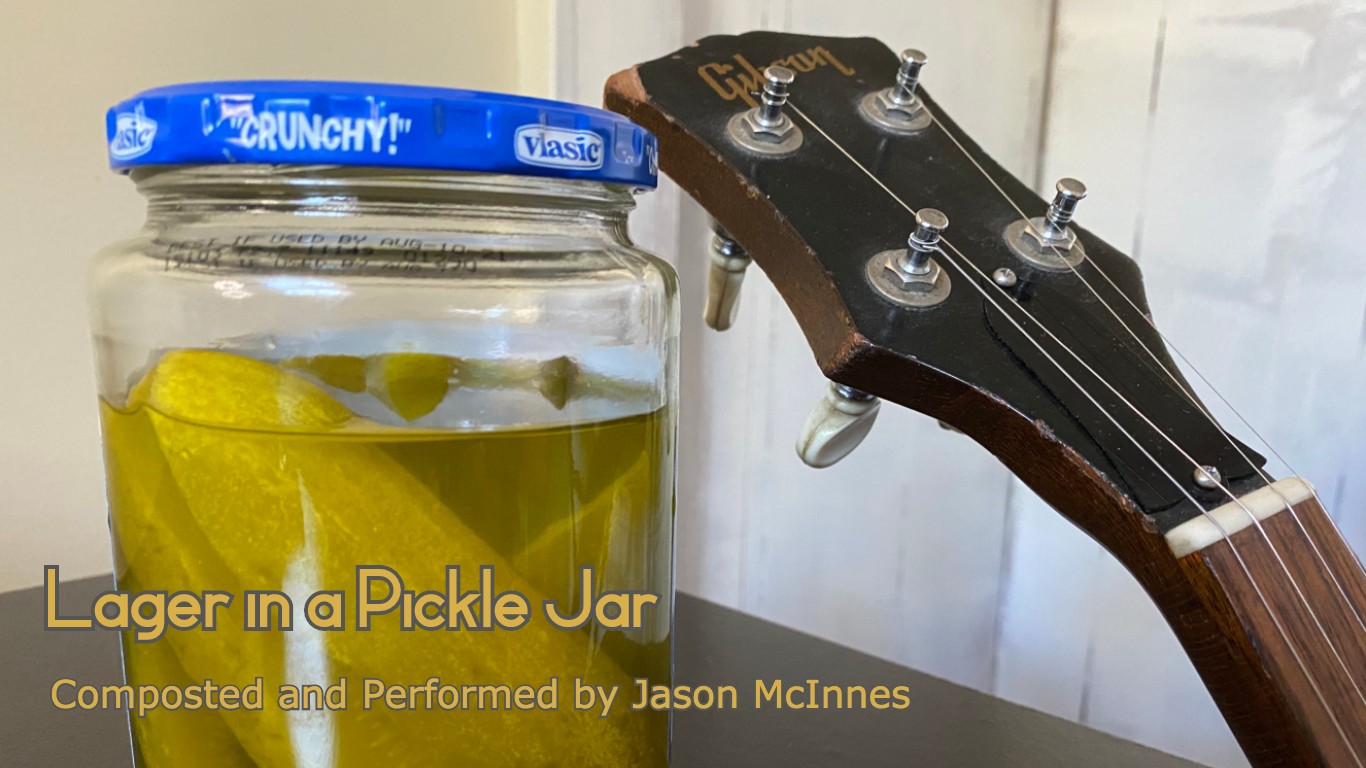
The title of this tune was inspired by a banjo video that Jonas Friddle recently published on Youtube. I didn’t have an empty pickle jar to put a lager in, so I opted to include a jar of pickles. Here is Lager in a Pickle Jar!
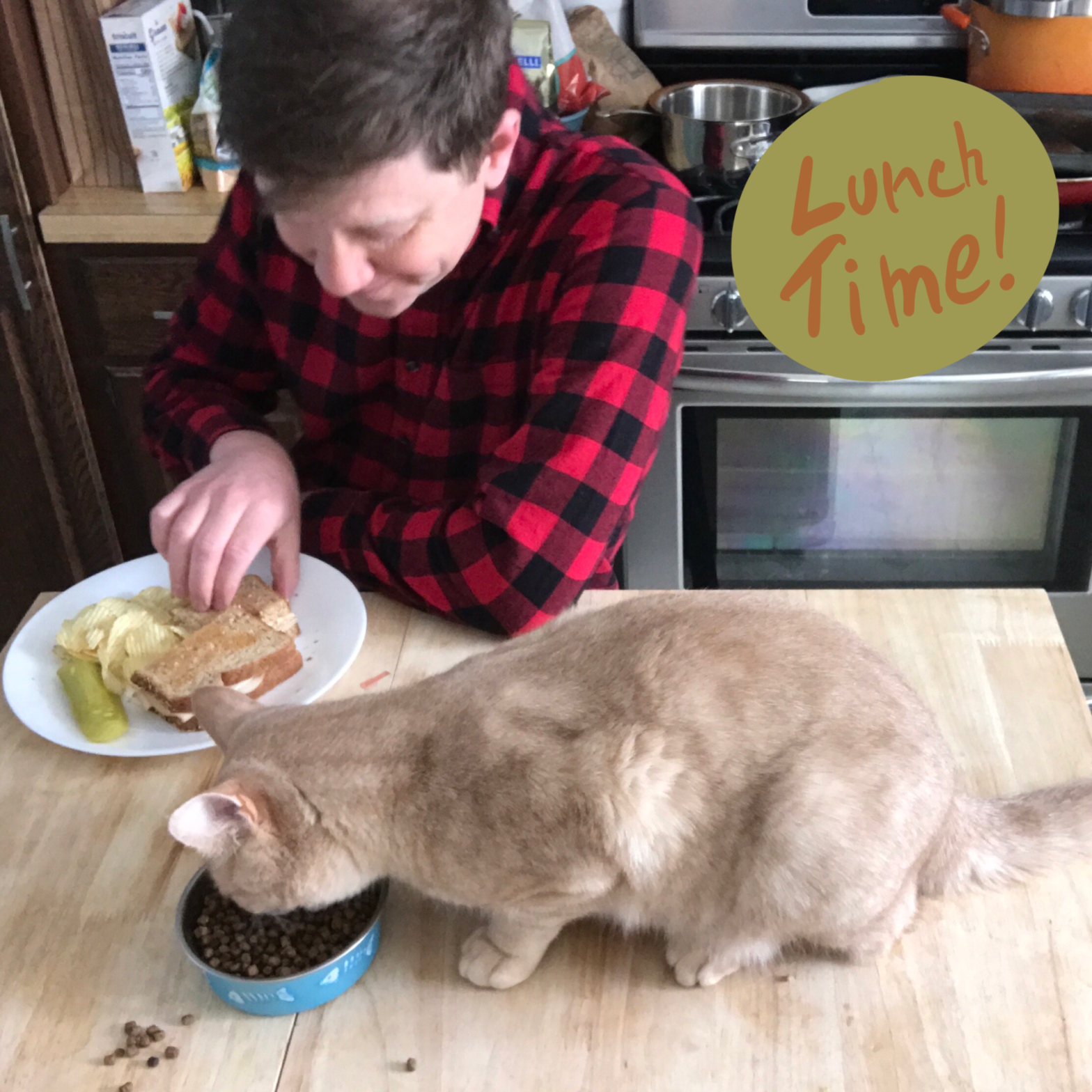
I don’t know about you, but as the social distancing continues, I sure am missing eating lunch with my friends.
That made me think of this song that I wrote with some 3rd graders at Hibbard Elementary a few years ago.
It’s rockin!
Here is a recording of the song and a lyric and chord sheet that you can download to help you learn the song. Let me know if you learn to play and sing it!
I spent the day working on “social distance sound”; both my own and others’. I run in a community of educators and teachers who, like many people in the country, have been thrown into a world of having to have what amounts to a television studio in their apartments. We’re all grabbing all the equipment we’ve gathered over the years and we’re trying to make a go of it as best as we can. It’s been a couple weeks of experimenting with mic placement, charging and recharging our phones, moving lamps around our apartments, turning off radiators and covering windows with bedsheets to gain some control of the audio and visual of online music education and concerts.
All this work has got my mind on all of the sound engineers that I’ve worked with over the years, including one in particular; my friend Dave Unger.
About four years into our journey, the Young Stracke All-Stars (my youth folk band) was really cookin’ and we started to get some high profile gigs. And the people that were asking us to play, wanted to hear our music! We’d spent four years cutting our teeth playing small venues like the Lincoln Restaurant where we didn’t need amplification.
But, with the introduction of better gigs came the need to use a sound system properly.
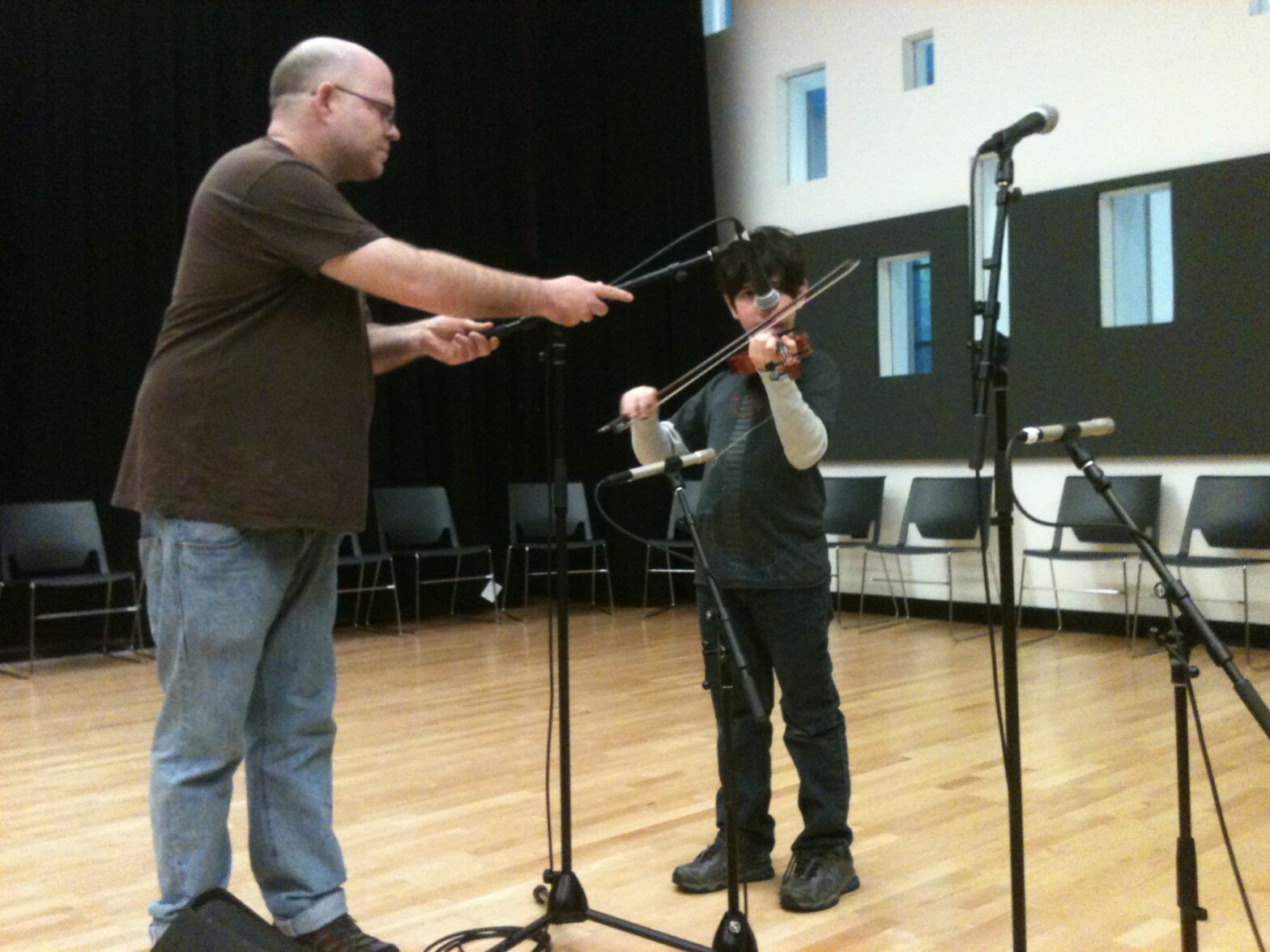
With that in mind the great Chicago sound engineer ,Dave Unger, to lend us a hand. I made a vocabulary list (with a crossword puzzle!) and some drawings, the band invited some friends and Dave spent the afternoon helping us understand how mics, amplifiers and mixing boards work.
Live Sound for Young Musicians Workshop – Apri 22, 2012
It was a very fruitful day! Over the next 7 years of the band’s travels we never had another proper Live Sound workshop, the band members who received this training were able to train the following generation. And those members were able to pass it along to the next members and on we went!
So, I write all of this just to say cheers to Dave and cheers to all the sound engineers who also got the rug pulled out from under them in this challenging situation. Us musicians already knew that you had a big job and a lot of expertise and now it’s even more clear. We’re stuck at home without you, and our sound suffers for it. I think I can speak for pretty much every musician I know when I say that we’ll all be too happy to put some of this work back in your capable hands.
This week’s episode, Fighting a Virtual Pandemic (embedded at the bottom), is all our actual pandemic as it relates to a video game called World of Warcraft.
I don’t really play video games, but I still find the episodes about video games so interesting.
There is a moment at about 17:80 when the interviewee, Virginia Wilkerson, talks about the different reasons people play video games. She says,
People live life for different reasons and people play video games for many different reasons. I’m sort of like a skill and achievement-based player. I want to be the best in my class that I can be. And then there are people who play purely for social reasons that aren’t interested in going to the high level raids and really maxing out their characters. And then you have a small subset of people who play just for the economics of the auction house in World of Warcraft. And then you have lots of people who play for the roll playing. Like it’s Dungeons and Dragons or something similar to that.
Here description of the 4 reasons people play video games caught my attention.
Skill and Achievement
Social
Money
Role Playing/Character (which I would call emotion)
I see those four facets in my own reasons for playing music. It made me pause and think about how I relate to those aspects of playing.
For skill and achievement, I do like to do my best, and be known as someone with a high level of skill. But, I don’t go out of my way to be the best player or something. I play to my abilities and standards, and I don’t worry about music else.
I do play music for the social interactions to be sure. I think that is why I excelled within a musical community like the Old Town School of Folk Music, which puts a high value on the social aspect of music.
And, I do think that I have a character when I’m playing. I LOVE to be on stage and I love to put my limited acting range into the music I play. For me, this is where the emotion of my music comes out. I don’t have a character in the way that David Bowie or Bruce Springsteen have, but it’s there. It may be subtle, but know I’m a different person off stage than I am on.
If I had to put a number on these aspects of my interest in music it would be something like 30% skill, 30% social, 15% money, 25% character.
Those numbers are very different than my drawing work. That is more like 50% skill, 25% social, 5% money, 20% emotion.
What about you? Why do you do things like play music or video games? Or dance, draw, play sports, write poetry, ride a skateboard? I would be interested in knowing. I’ll leave the comments open. Thank you for sharing.
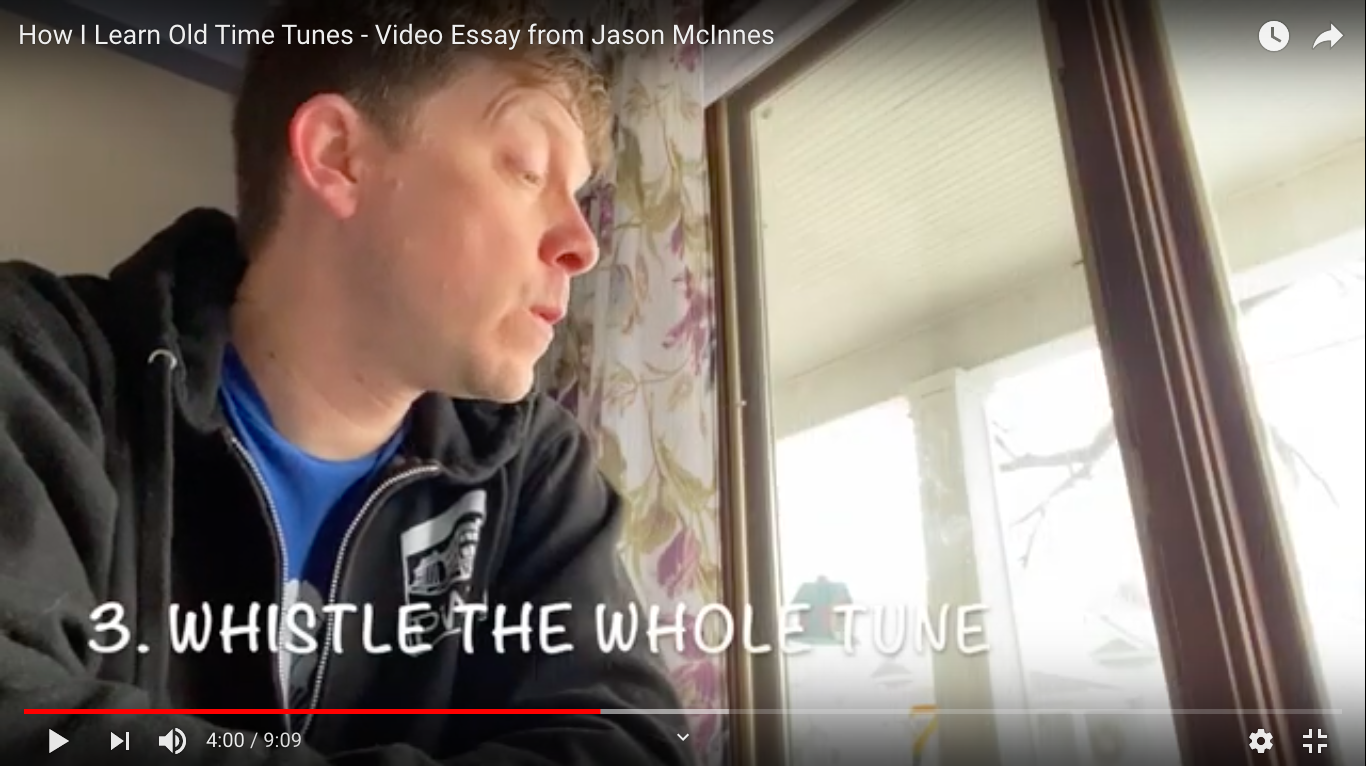
For someone who is relatively new at playing music, learning a new tune, or a bunch of new tunes can be overwhelming.
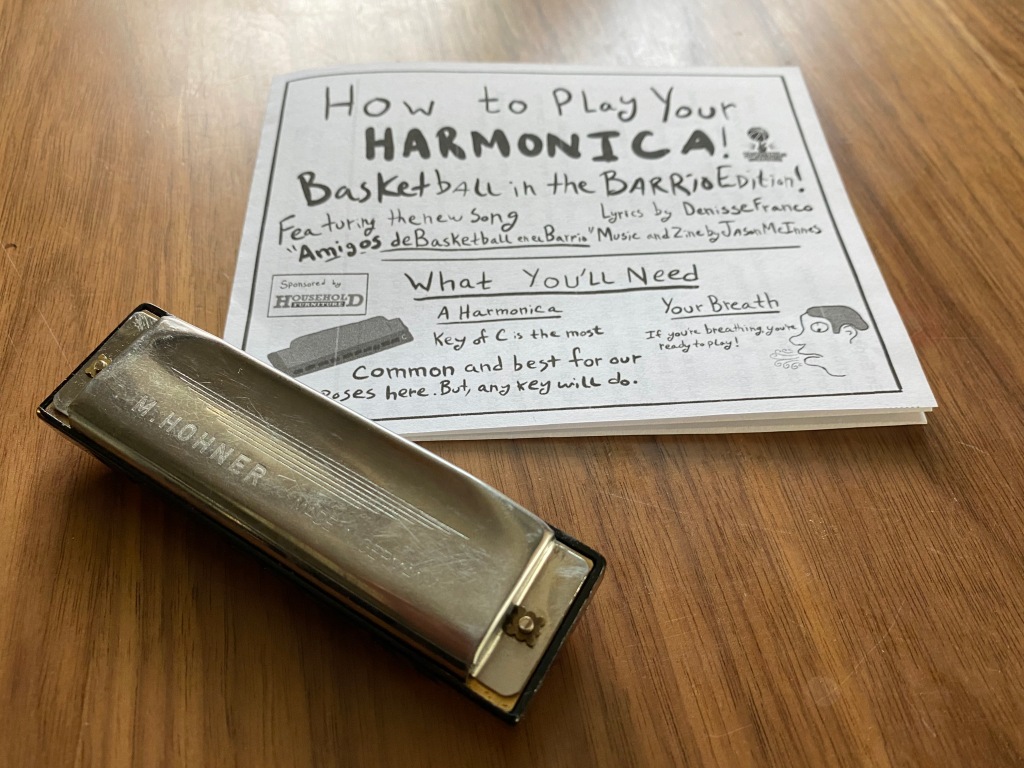
Because of this, I thought I would share my process for learning tunes. Maybe you’ll find it helpful to see how I do it. In this video I learn the tune Nancy on my harmonica. I learn an arrangement from my good friend, Jonas Friddle. I highly recommend checking out more of his music at jonasfriddle.com
Enter your email address here to receive a free .pdf that accompanies this video essay.









 For someone who is relatively new at playing music, learning a new tune, or a bunch of new tunes can be overwhelming.
